
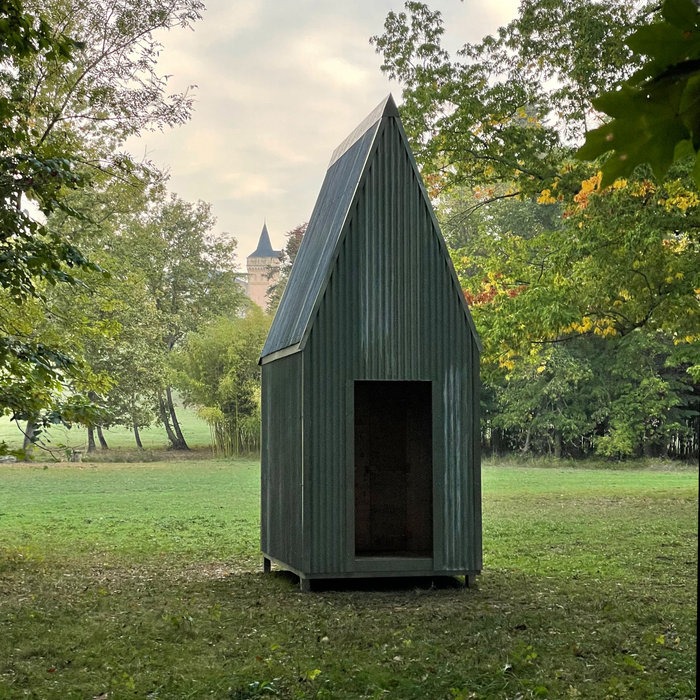
Manoir Bruit is the sound creation programme of association Bruit, in collaboration with Haus am Gern and Château de Sibra.
From 9 to 16 September 2026, Biel/Bienne-based sound artist Michael Anklin is artist-in-residence at Manoir Bruit in Sibra, France, as the eigth guest of the programme.
Sender und Empfänger | Klanglandschaften zwischen Wirklichkeit und Traum (Sender and Receiver | Soundscapes between reality and dreams)
As part of this residency, I am exploring the relationship between perception, reality and dreams through the medium of field recording. The project is based on the assumption that we do not experience our environment objectively, but rather continuously construct it through biological, technical and cognitive processes.
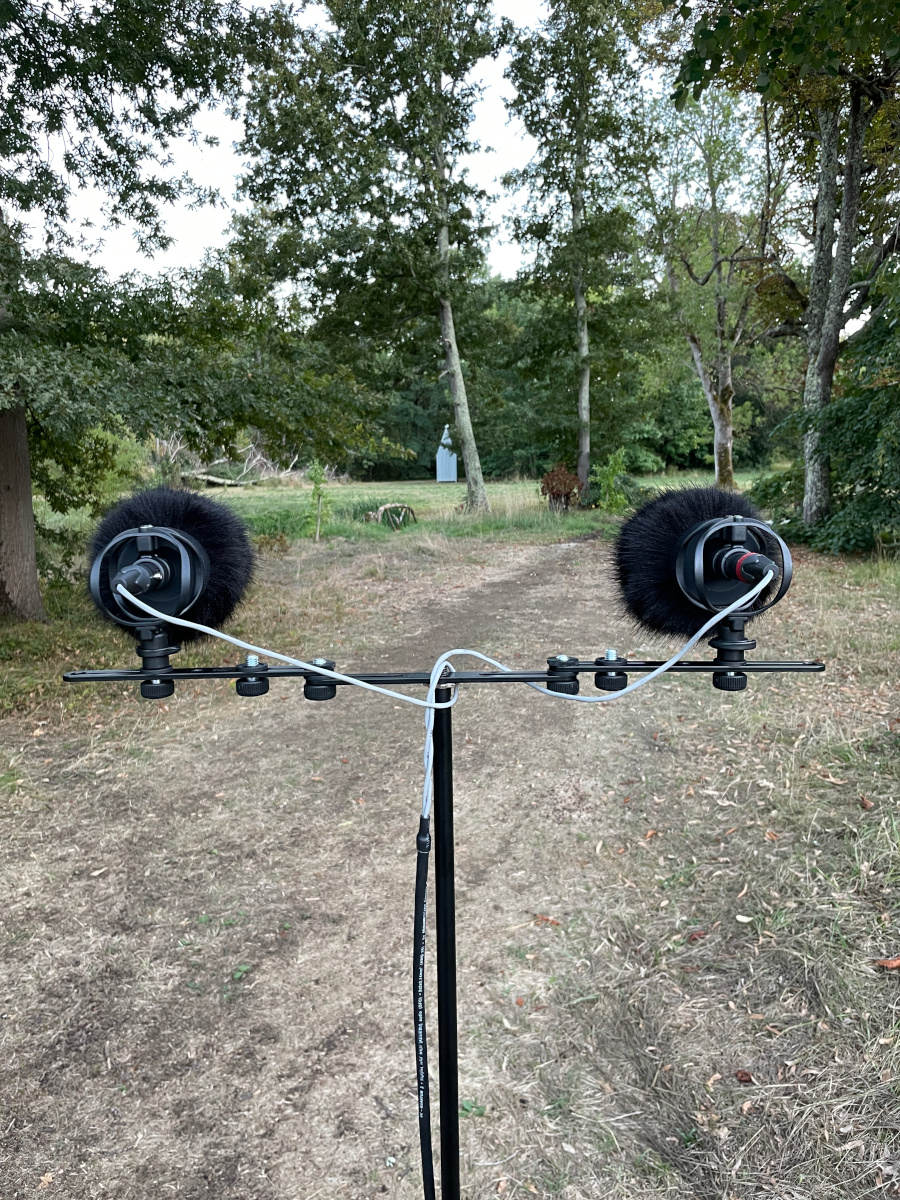
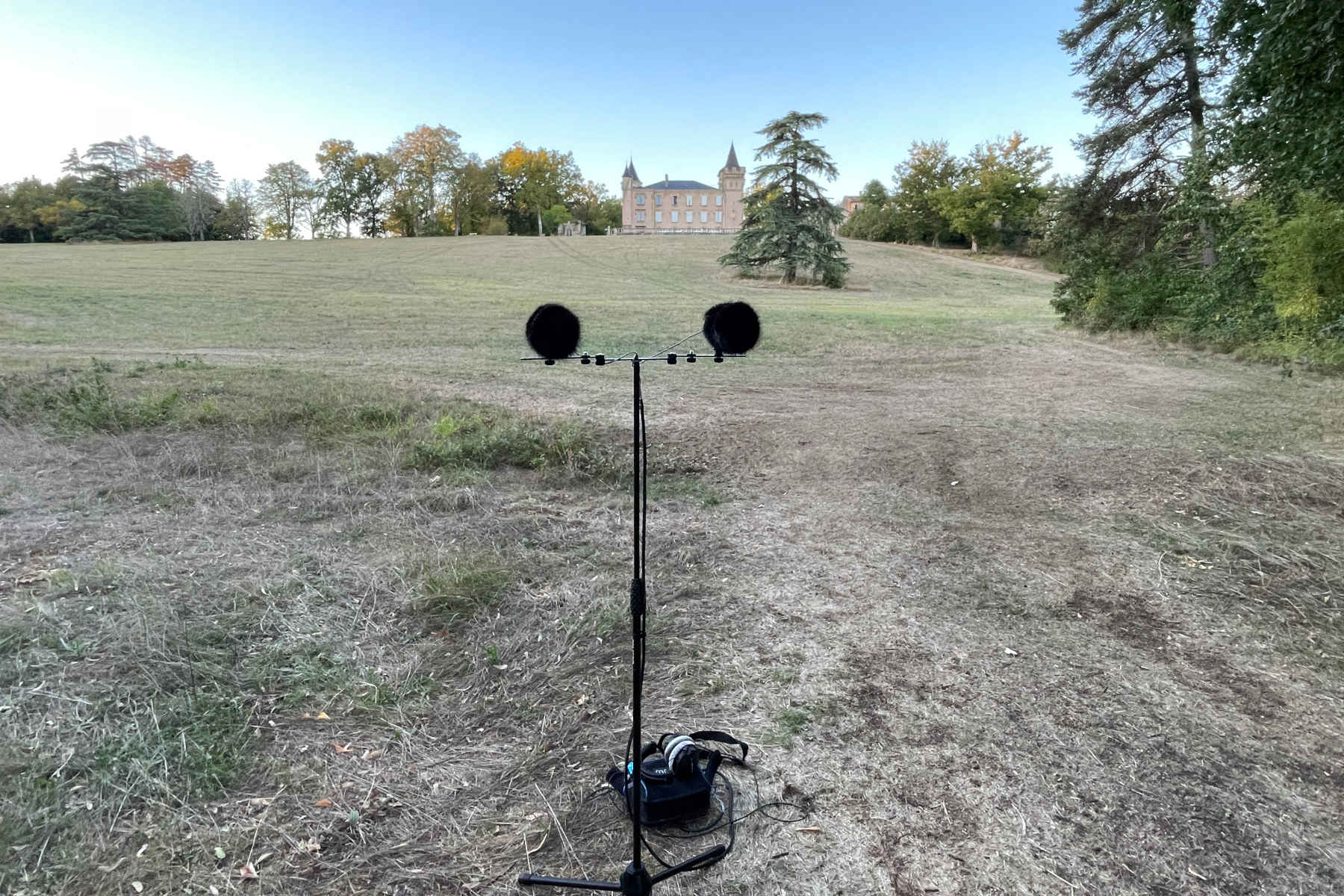
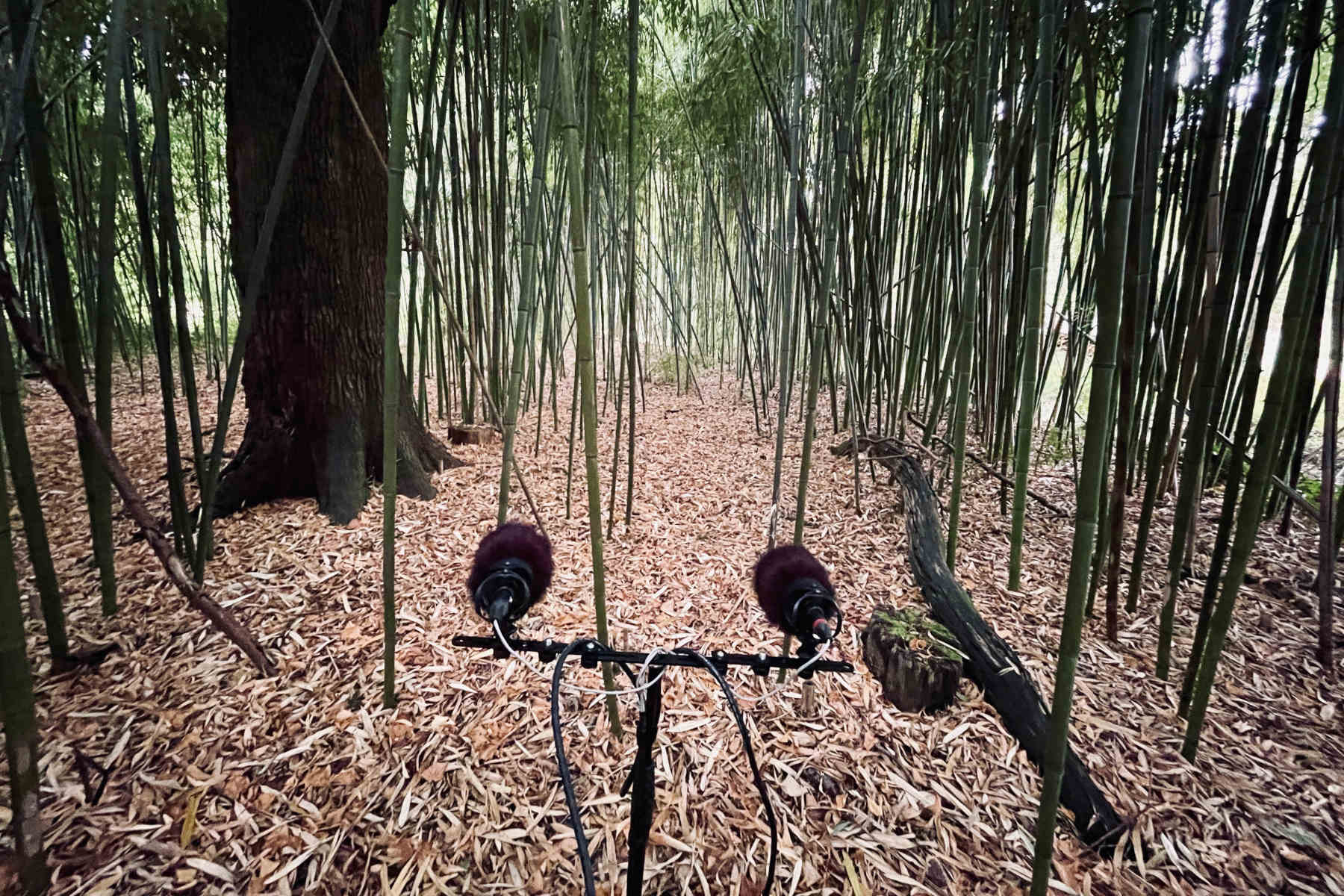
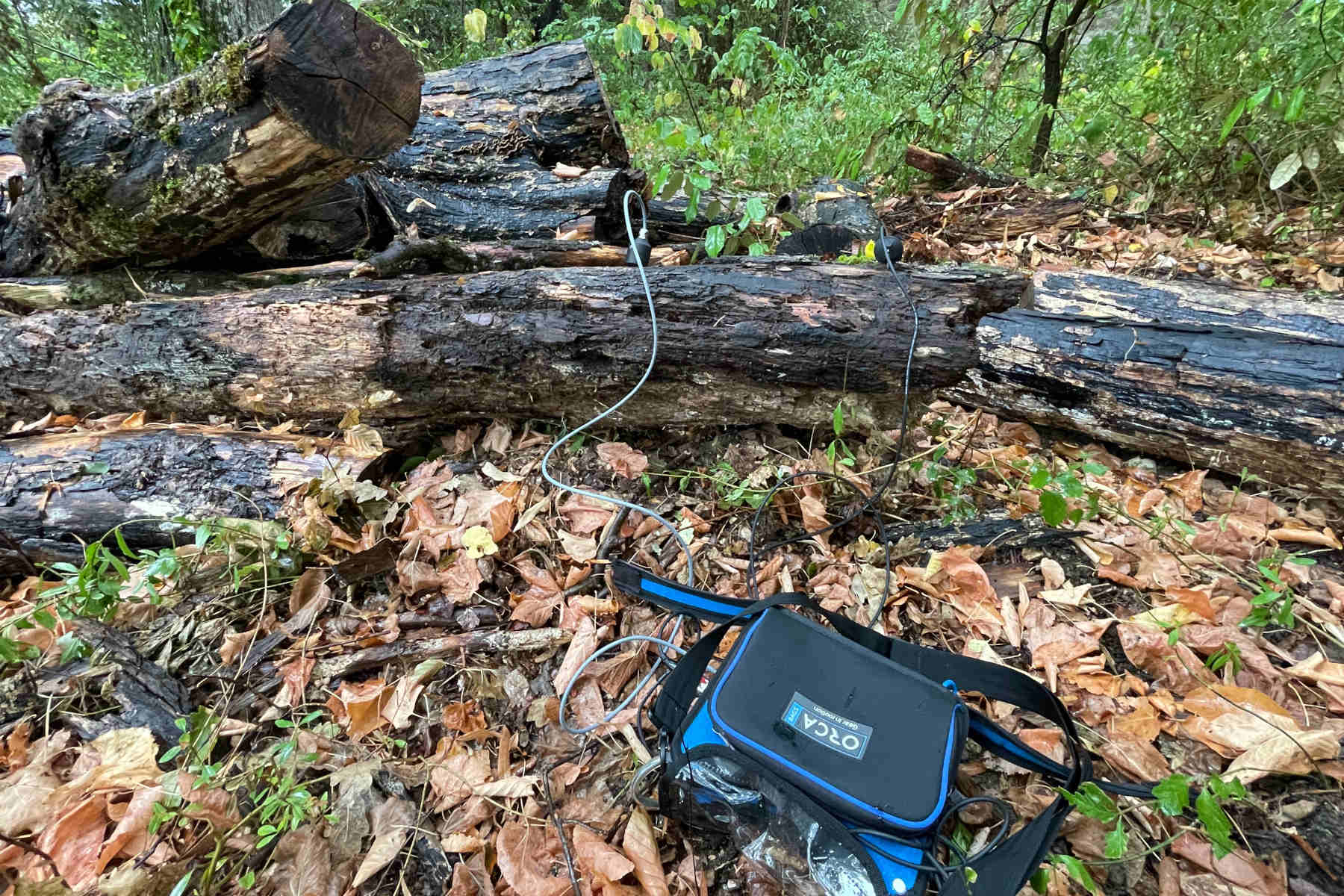
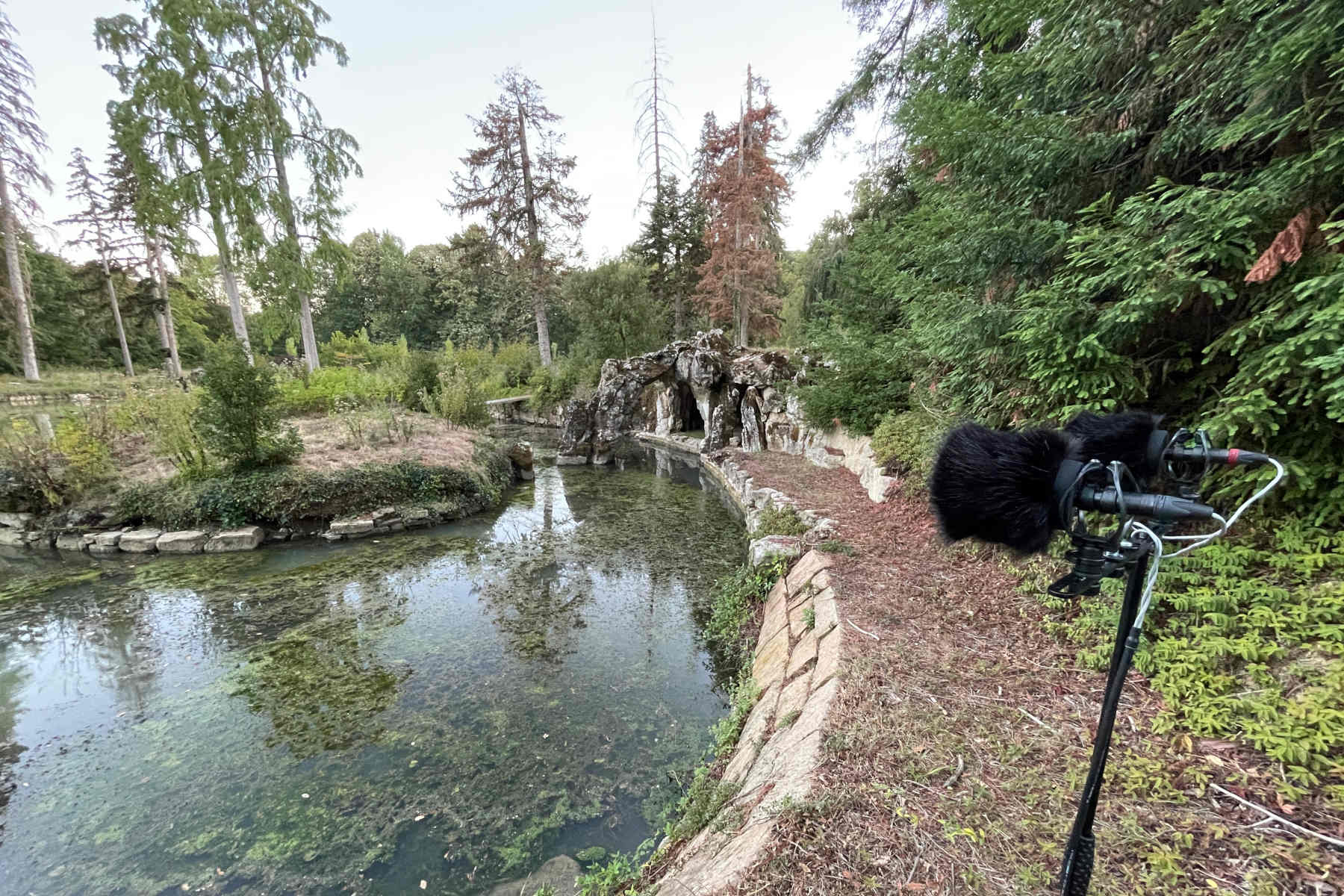
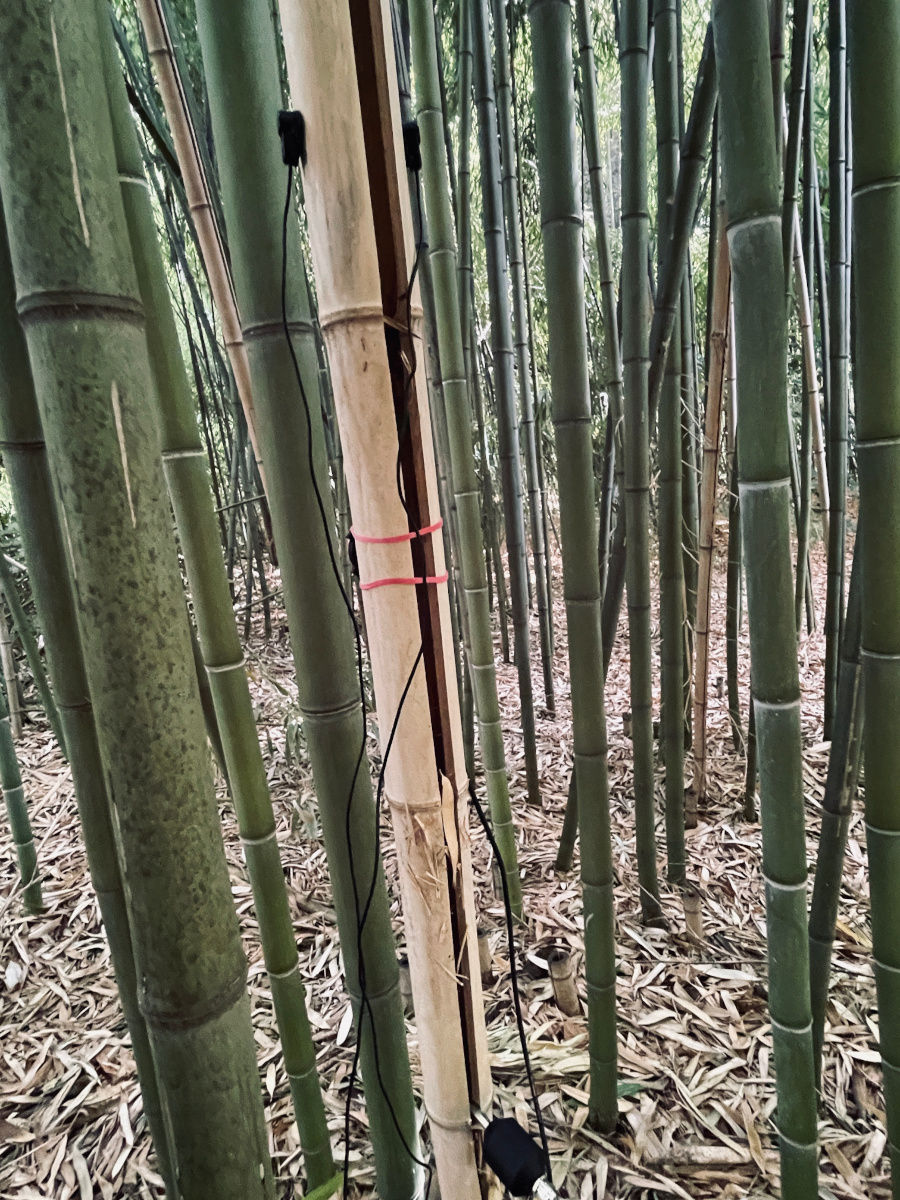
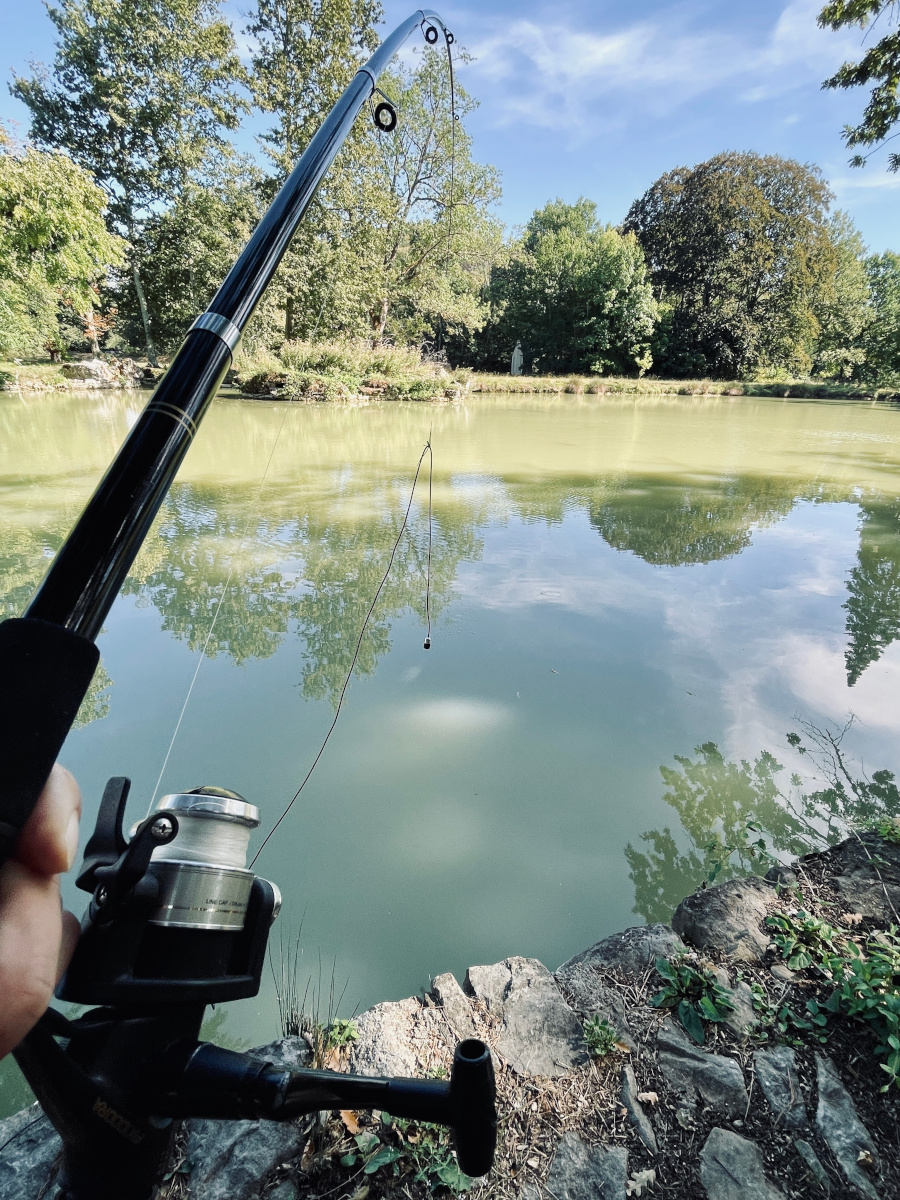
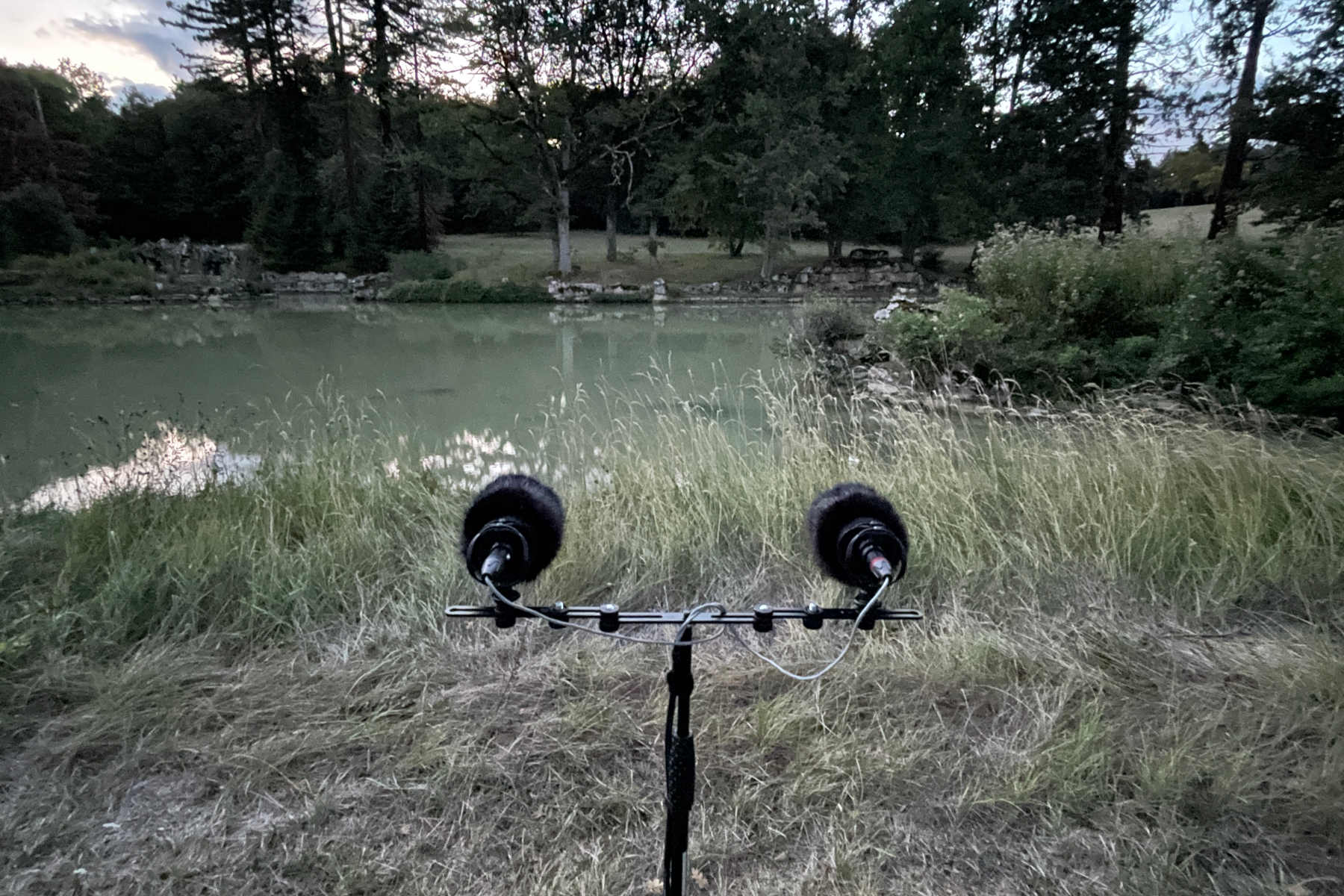
The first part of the work is devoted to exploring the environment through sound. During the residency, field recordings are made using a variety of recording techniques, including conventional microphones, hydrophones, geophones, contact microphones and ultrasonic microphones. Each of these tools offers a unique auditory perspective and allows aspects of the environment to be experienced in a different way.
I do not regard the microphones as neutral instruments of documentation, but rather as independent organs of perception. Like our senses, they too have specific characteristics, limitations and filters. They do not produce a more objective reality, but rather different ways of engaging with the same environment. The resulting recordings are therefore less representations of a place than documents of different forms of listening.
Albert Hofmann’s sender-receiver model from his publication Insight, Outlook serves as a theoretical framework. Hofmann describes reality as an interaction between an external world and a perceiving consciousness. Which reality emerges depends on the characteristics of the receiver and its filters. These considerations can be linked to radical constructivism, which regards perception not as a reflection of reality, but as an active process of constructing reality.
In the second part of the residency, the field recordings made will be transformed into musical compositions. The starting point is the analogy with dreams: just as the brain processes experiences and sensory impressions whilst we sleep, combining them into new subjective realities, so too are the recorded sounds transformed, layered and placed in new contexts. The compositions do not document the location but rather explore its sonic transformation.
The project thus describes a two-stage process of constructing reality: first, it examines how perception arises through various biological and technical receptors. It then explores how this perceived reality can be transformed into a new, dreamlike world of sound through artistic interpretation.
The residency is conceived as an artistic experiment exploring hearing as a process of cognition. Field recording and composition form two successive phases of the same process – from the construction of a perceived reality to the construction of a subjective dream-like reality.
Once the residency has concluded, the transformed material returns to its place of origin. As the compositions are played back through loudspeakers on site, the sounds of the past blend within the same space with the unpredictable ambient sounds of the present. At that moment, the Manoir Bruit becomes a transmitter of a sonic time loop in which different temporal planes overlap.
Michael Anklin, August 2026.